

Purity in Production: Why Vapor is the Industrial Evolution of Smoke
In the history of industry, progress is defined by the transition from raw, uncontrolled processes to precision-engineered systems. We moved from coal-fired steam to electric turbines; we moved from analog gears to digital processors.
The ritual of consumption is undergoing a similar industrial evolution. At Hush Goods, we view combustion—the act of burning—as a legacy technology. It is inefficient, imprecise, and chemically "dirty." The shift to vaporization isn't just a trend; it is the clean-tech upgrade that the modern connoisseur has been waiting for.
The Legacy System: The Inefficiency of Combustion
When you burn material, you are using a "brute force" method of extraction. Combustion occurs at approximately 1500°F to 2000°F. This is far beyond the temperature needed to release the active compounds you actually want.
Destruction vs. Extraction: High heat destroys a significant percentage of terpenes and cannabinoids before they ever reach you. You are essentially burning your investment.
Chemical Byproducts: Combustion creates carbon monoxide, tar, and other particulate matter. In an industrial context, this is "waste."
The "Dirty" Flavor: Smoke carries the flavor of charred carbon, which masks the complex, botanical profiles of high-quality material.
The Industrial Evolution: Precision Vaporization
Vaporization is a process of fractional distillation. Instead of a flame, we use precisely calibrated heating elements to reach the specific boiling points of the compounds we desire—typically between 315°F and 430°F.
Thermal Mapping: High-end hardware like the Puffco Peak Pro or Storz & Bickel devices use internal sensors to maintain a "thermal floor." This ensures that the temperature never spikes into the combustion zone.
Extraction Efficiency: By avoiding the "flashpoint" of fire, you preserve the integrity of the material. You get more out of less, which is the hallmark of any efficient industrial process.
A Pure Output: Vapor is an aerosol, not a smoke. It consists of fine droplets of the active compounds and water vapor, leaving the heavy, solid particulates behind in the hardware's chamber.
Hardware as the Filtration System
In a modern industrial setting, we don't just want power; we want filtration and cooling.
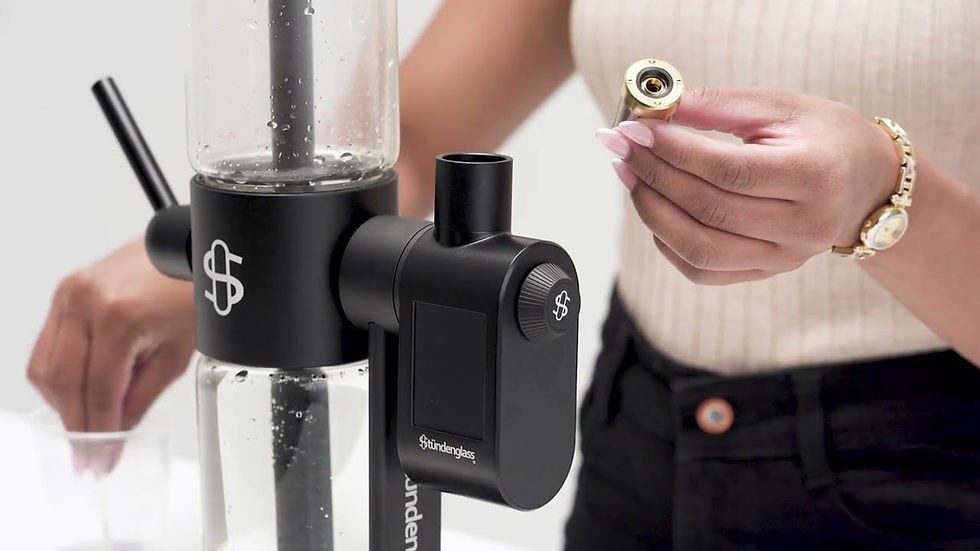
Devices like the Stündenglass Gravity Infuser use the physics of water displacement to cool the vapor, while the medical-grade cooling units on Storz & Bickel handhelds use a series of labyrinthine paths to dissipate heat. This "engineering of air" ensures that by the time the vapor reaches you, it is at a temperature that is comfortable and pure.
The "Clean-Tech" Standard
Choosing vapor over smoke is a decision to prioritize Purity in Production. It aligns with a lifestyle that values technical specs, clean lines, and high-performance tools. Whether you are focused on the wellness-driven models of SC Botanicals or the artisan experience of top-tier concentrates, the hardware is what facilitates that purity.
Smoke is a relic of the past. Vapor is the engineered future.
Technical Insight: Terpenes—the aromatic compounds responsible for flavor and effect—have different boiling points. With precision hardware, you can "dial in" your temperature to target specific notes, much like a master distiller controls the output of a copper still.
Step into the future of ritual. Explore our collection of medical-grade extraction tools at 726 Central Ave NE and experience the industrial evolution for yourself.


